
Granada Hills
100 Years of Character and a Neighborhood Waking Up
A Personal Note From the Author who grew up in Granada Hills:
There is something quietly thrilling about walking the streets surrounding Old Granada Hills and realizing how much of its history can still be touched. Stone walls, brick pillars and old fences have stood for generations. I sometimes find myself running my hand across the stone and thinking about the people who placed it there nearly a century ago—the workers who built it, the families whose lives unfolded behind it, and the generations who have since been entrusted with its care.
Granada Hills was never a showcase of grand estates built for the famous and infamous in the way that portions of Pasadena or historic Los Angeles became known. Much of its story is quieter than that. These were homes built for people who worked, raised families, planted gardens, built careers, celebrated birthdays and lived ordinary lives beneath the shade of citrus trees.
And the same large lots that tell part of Granada Hills' history may also create possibilities for its future.
California's evolving housing laws, including SB 9, have created potential opportunities for qualifying residential properties to accommodate additional housing or, under applicable circumstances, lot division. But a large lot alone does not mean a property qualifies—or that its theoretical development potential translates directly into additional market value.
Zoning, lot dimensions and configuration, existing improvements, access, easements, hillside conditions, infrastructure, applicable overlays and other development requirements can materially affect what is legally permissible, physically possible and financially feasible.
For an appraisal involving a property with unusual land characteristics or potential development utility, selecting an appraiser who understands both the opportunity and the limitations matters.
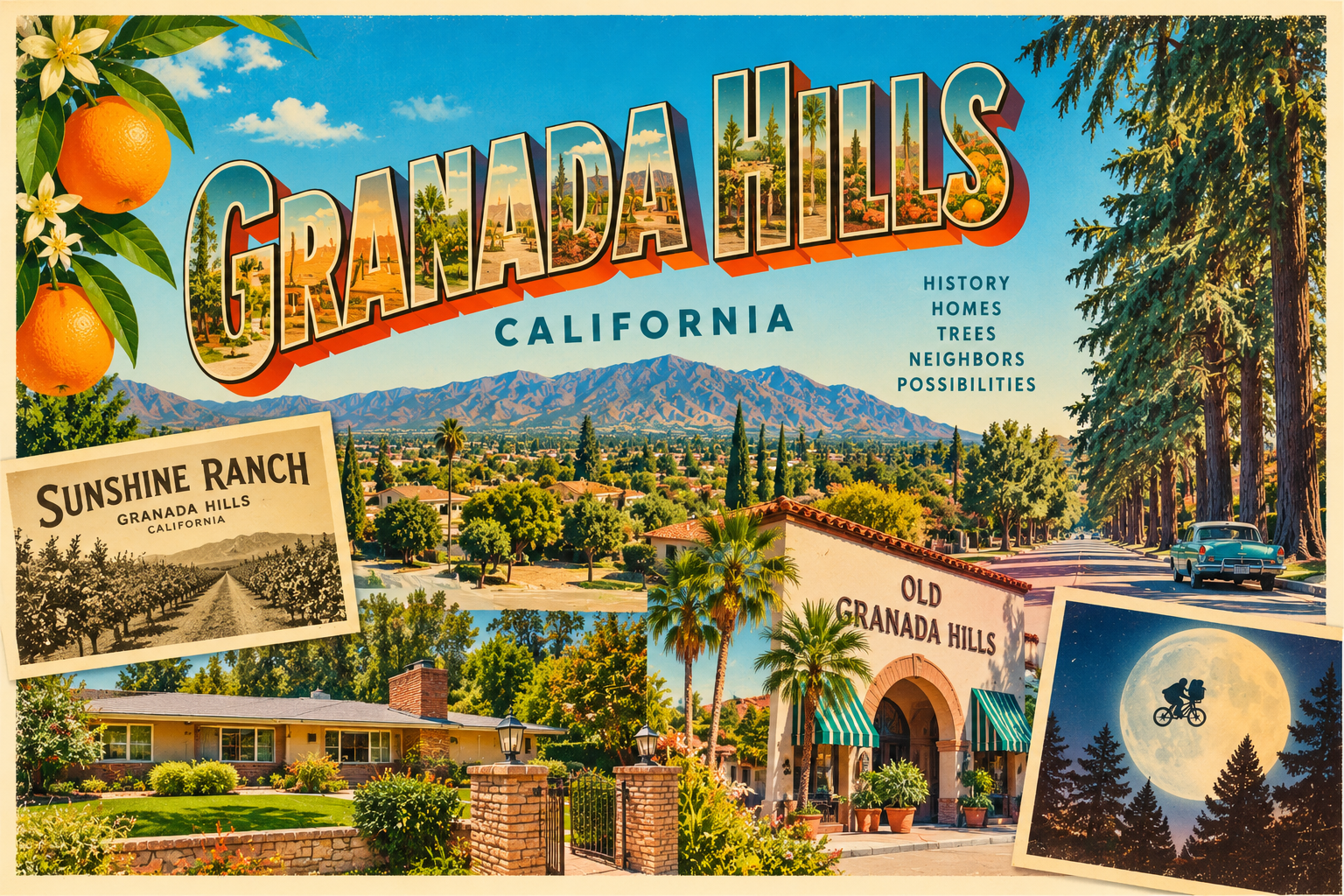
Granada Hills turned 100 in 2026—and somehow, after a century, it feels like Los Angeles is just discovering it.
Located along the northwestern edge of the San Fernando Valley, Granada Hills has always been a little farther out. As housing prices pushed generations of Westside buyers into the Valley, neighborhoods such as Lake Balboa offered an easier transition—more direct access back toward the Westside and a shorter commute. Granada Hills, tucked against the northern edge of the Valley, could feel considerably farther removed. For many buyers, it simply wasn't part of the conversation.
That relative isolation helped Granada Hills remain remarkably residential. Its commercial corridors largely served the people who already lived here, with familiar chains, everyday services and longtime local businesses supporting an established suburban community. Granada Hills was a place you lived more than a place you went.
But Granada Hills has been changing.
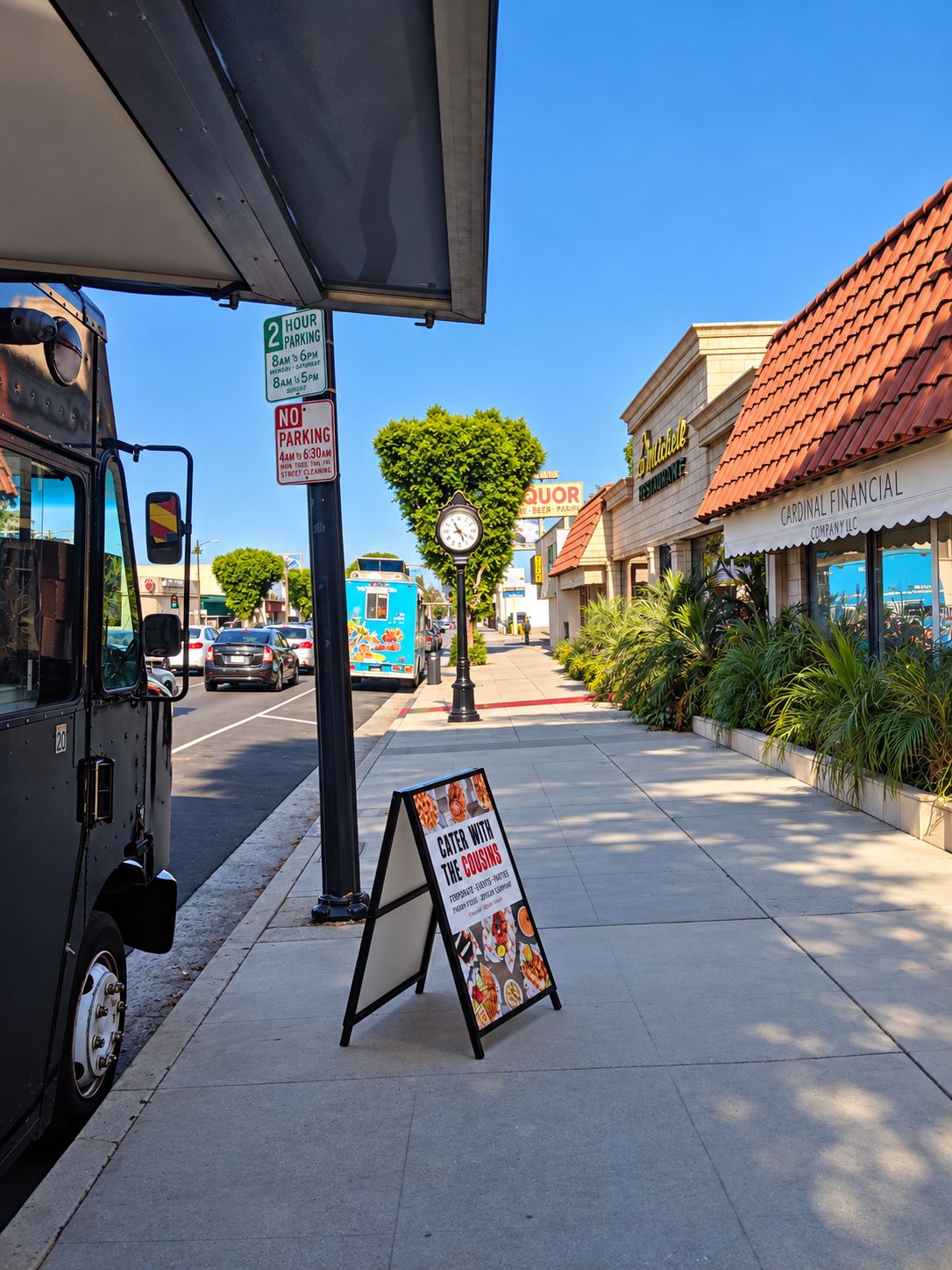
Over the last several years, a new generation of residents has brought renewed energy to the community. Independent restaurants, cafés and small businesses have increasingly joined the familiar storefronts of Old Granada Hills. Buyers who might once have concentrated their searches in communities such as Pasadena, Glendale or other character-rich areas of Los Angeles are discovering something Granada Hills has quietly possessed for decades: personality.
That personality comes from the echoes of decades past that are still visible everywhere you look.
Before the Tract Houses: Sunshine Ranch
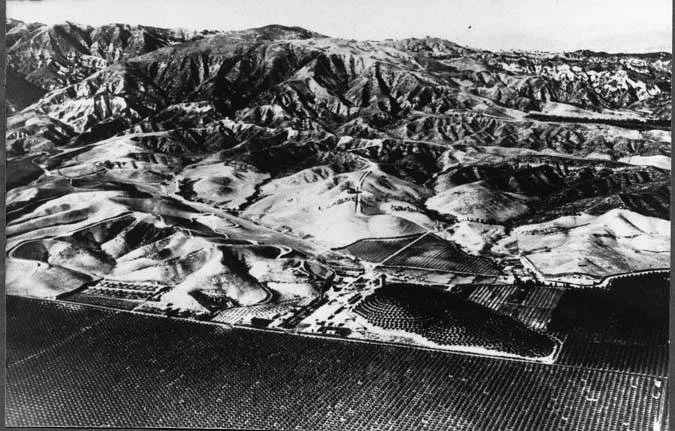
Long before the postwar subdivisions, Granada Hills was agricultural land.
The area's modern development history is closely tied to Sunshine Ranch. In 1917, oilman J.H. Mosier purchased approximately 4,100 acres from George K. Porter and renamed the property Sunshine Ranch. Between 1917 and 1924, more than 2,000 acres were planted with citrus. In 1925, the property was sold to Suburban Estates, Inc., which began subdividing the ranch into residential and commercial parcels. The first house and commercial building associated with the new development were constructed in 1926.
And the trees weren't incidental to the development—they were part of it. A surviving 1926 tract plan identifies the ages and varieties of orange trees growing on individual lots, including Valencia oranges.
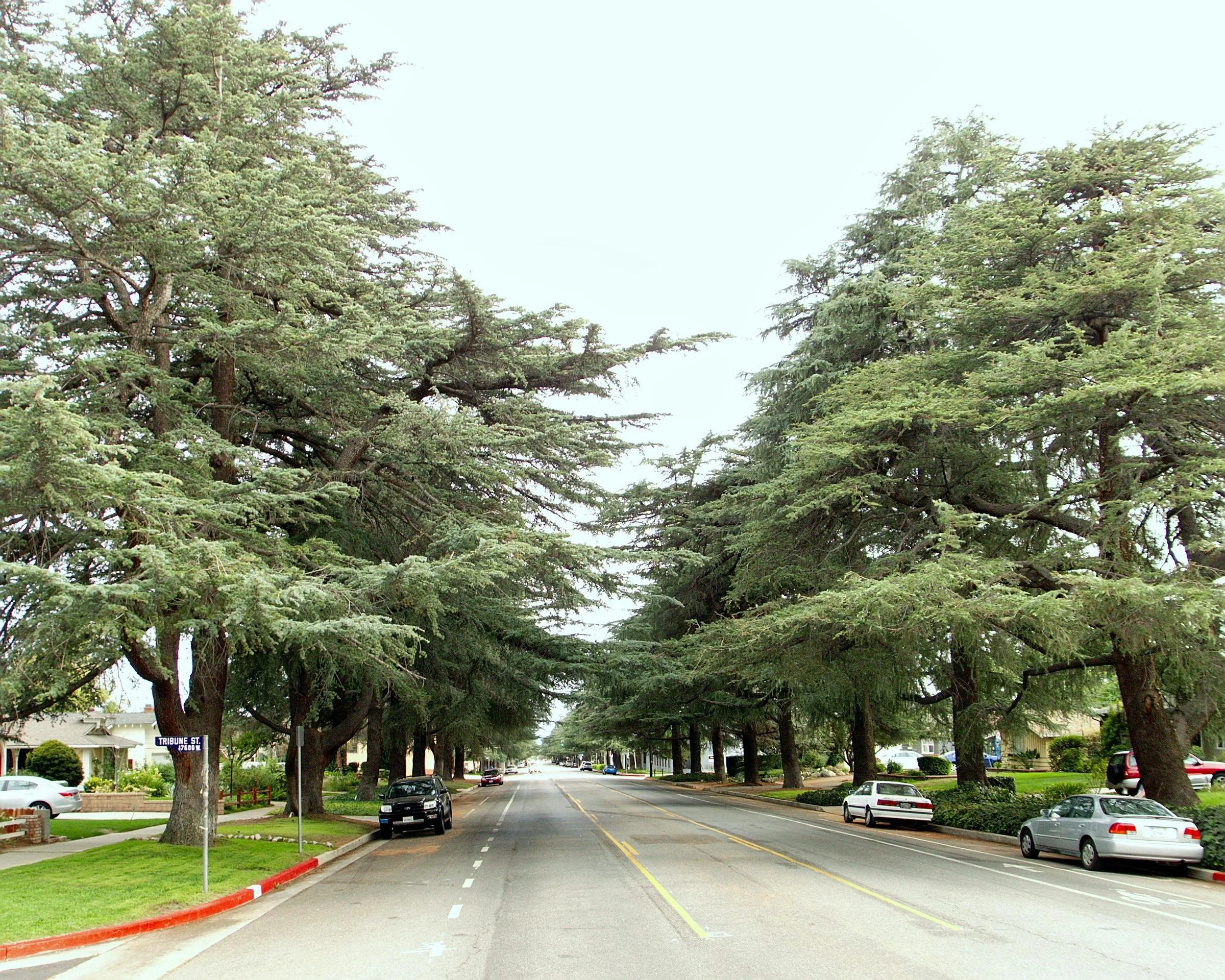
Along White Oak Avenue, the enormous Deodar cedars are themselves remnants of Sunshine Ranch. Planted in 1932 by ranch superintendent John Orcutt, the trees once marked the approach to the ranch and today form one of Granada Hills' most recognizable streetscapes. Now designated a Los Angeles Historic-Cultural Monument, they have watched the orchards around them give way to nearly a century of residential development.
The landscape carries other pieces of that history as well. Mature citrus trees still appear unexpectedly in residential yards, while older trees, walls, buildings and lot patterns remain woven into neighborhoods developed decades later.
In 1927, the developing community adopted the name Granada, reportedly inspired by the landscape and climate surrounding Granada, Spain. “Hills” would not officially join the name until 1942.
But residential development did not erase Sunshine Ranch overnight.
A History That Is Still Visible
Granada Hills' first home was built in 1926, before the community even had its name, for former Los Angeles Police Chief J. L. Butler. Nearly a century later, the house still stands near White Oak Avenue—and I have had the unusual privilege of appraising it.
In Granada Hills, history isn't confined to a historic district. It's scattered throughout the neighborhood.
In Old Granada Hills, buildings and storefronts from the mid-century era remain part of the streetscape, some still carrying signs and architectural details reminiscent of the 1950s and 1960s. Citrus trees that once belonged to the orchards that covered this part of the Valley still appear unexpectedly in residential yards.
The neighborhoods tell the story, too. Old Granada Hills contains homes dating from the 1920s alongside houses from the 1940s, postwar ranches, mid-century designs and later construction—sometimes all within a remarkably small area. Rather than one uniform architectural identity, Granada Hills reads almost like a living timeline of Los Angeles residential development.
Then there is Knollwood. The development of the golf course created an entirely different residential environment, with homes oriented around the course, hillside topography and views. Elsewhere, equestrian properties, sprawling ranch houses, postwar subdivisions, custom hillside residences and newer speculative construction add still more layers.
That's what makes Granada Hills different. The old Granada Hills was never completely erased to make room for the new one. The generations accumulated.
And if you know where to look, they're still here.
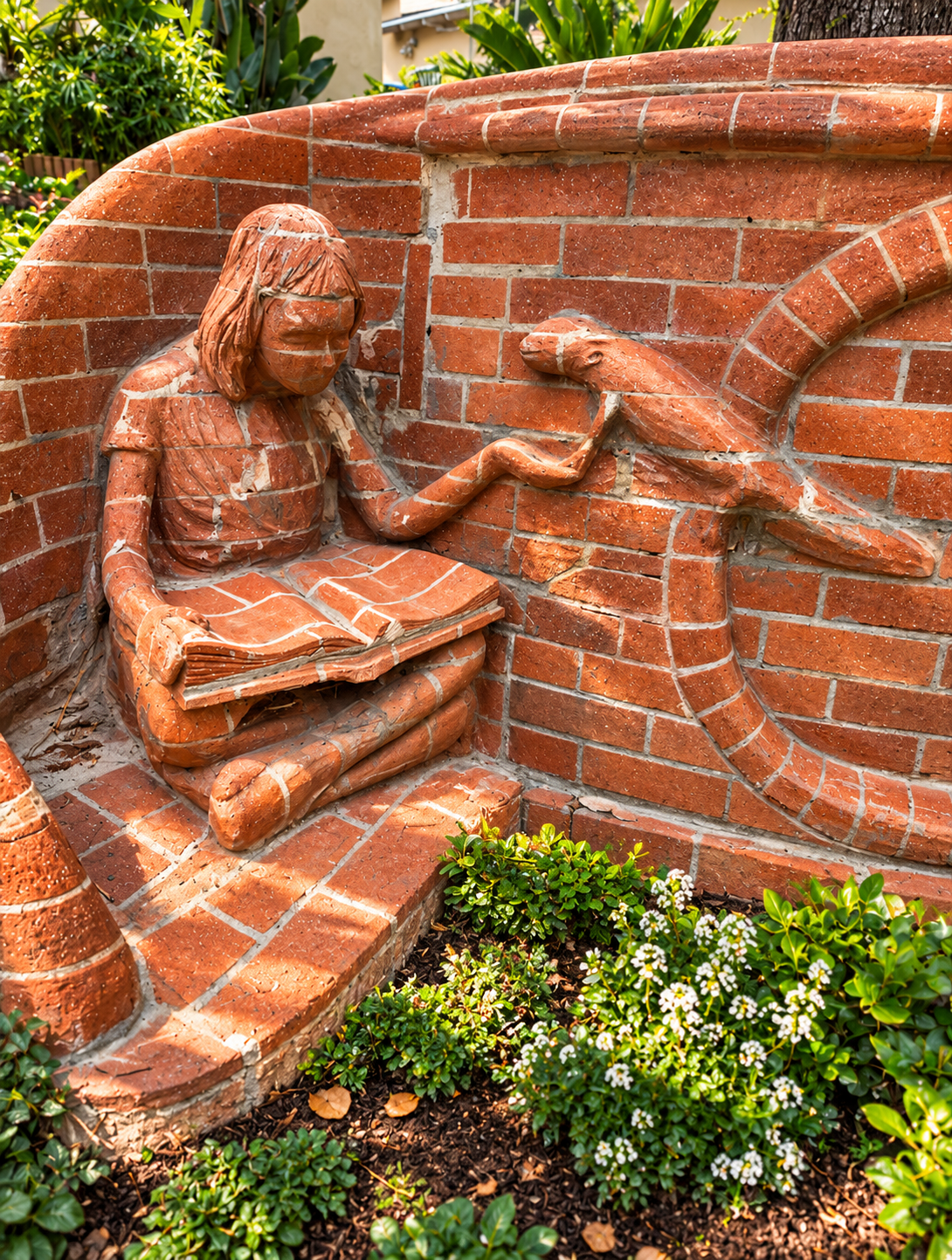
Perhaps that's why the remnants of early Granada Hills feel so personal. They aren't monuments behind gates or artifacts in a museum. They're still part of the neighborhood. People live in these houses. They pass through those old brick entrances. Children play in yards where orange trees planted by earlier generations still bear fruit.
Nearly a century later, another generation gets the privilege of calling these places home.
When History Becomes Part of the Appraisal
But in Granada Hills, history isn't only something to appreciate. It can also be something an appraiser has to understand.
The community's successive layers of development have left behind unusual lot configurations, legacy improvements, older development patterns and properties whose current use or improvements may predate today's zoning and building standards. In some areas, an older residence or structure may have existed long before the surrounding tract was developed. Elsewhere, larger parcels reflect an earlier period when Granada Hills was considerably less suburban than it is today.
Those characteristics can become particularly important when analyzing a property's highest and best use, legal or grandfathered improvements, development potential, site utility and appropriate competitive market.
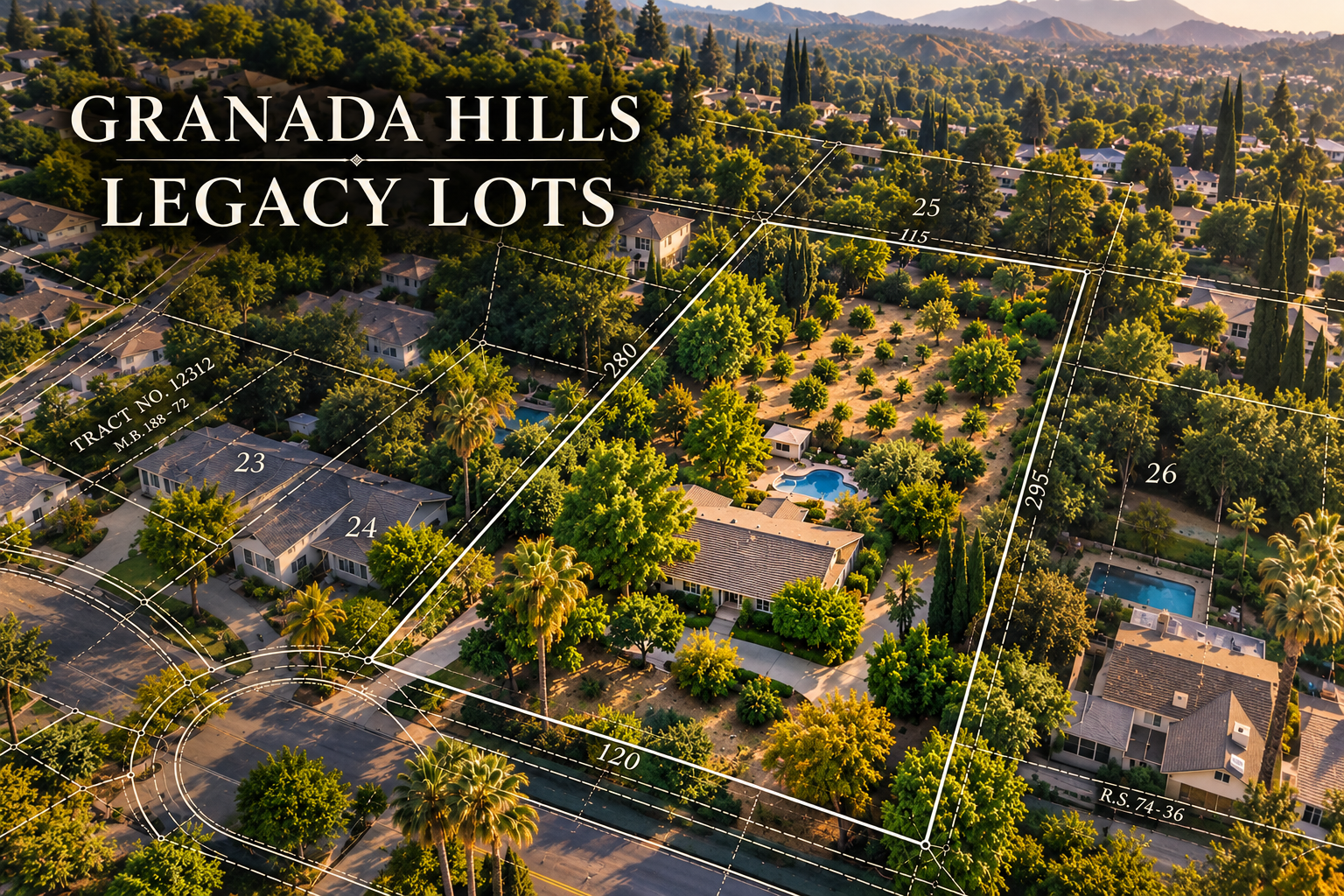
And development potential is only one example of why local knowledge matters here.
There isn't one Granada Hills housing market. North and south, east and west, hillside and flatland, Old Granada Hills and later subdivisions each developed differently—and buyers don't necessarily view them as interchangeable.
Not every Granada Hills appraisal involves development potential—but nearly every Granada Hills appraisal involves understanding which Granada Hills market the property actually belongs to.
Understanding value here begins with understanding how Granada Hills became Granada Hills—and the new chapter now unfolding.