
Property Optimization Analysis
Which Home Improvements Will Actually Increase Your Property's Value?
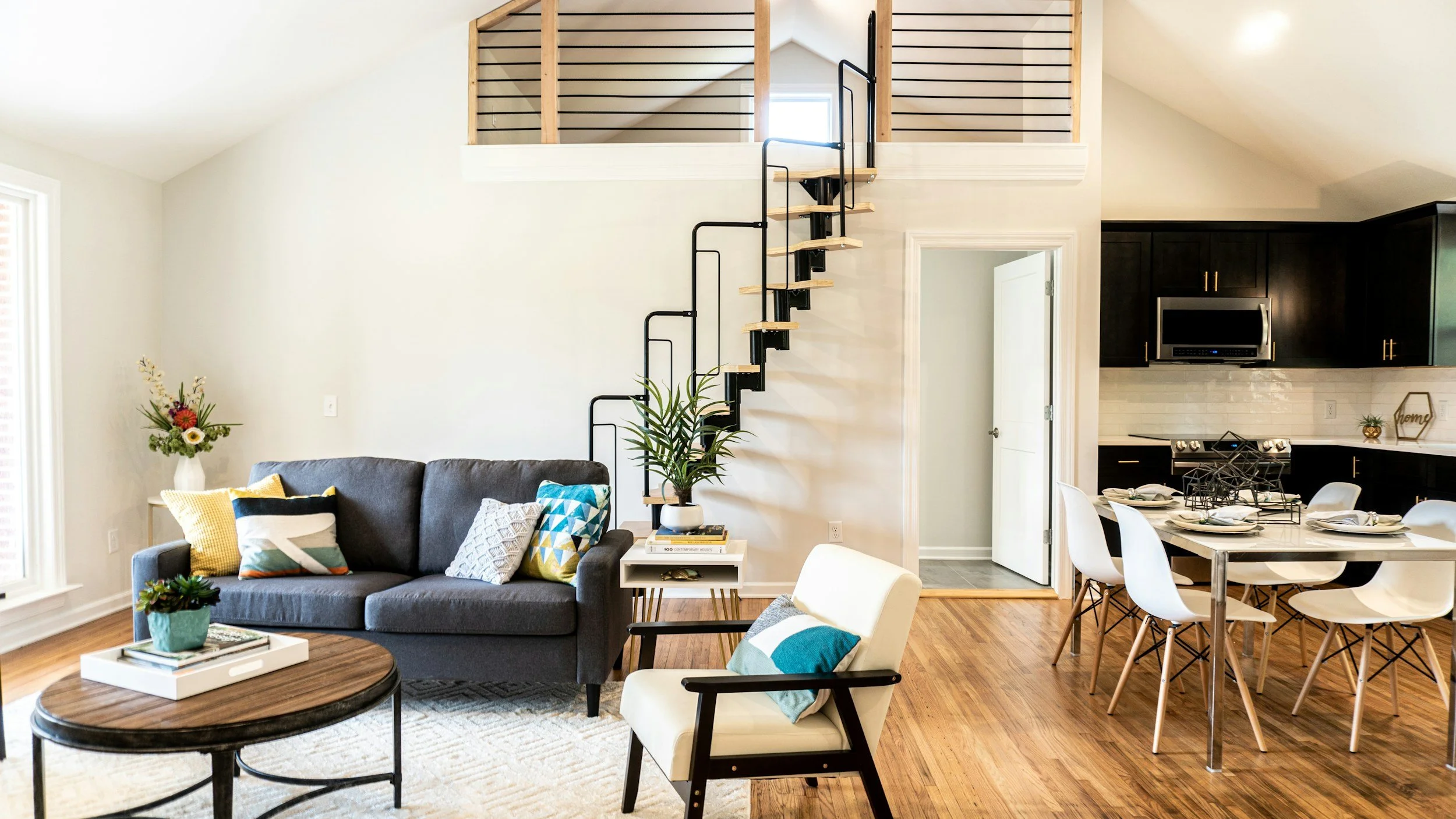
Before you renovate, understand what the market is willing to pay for.
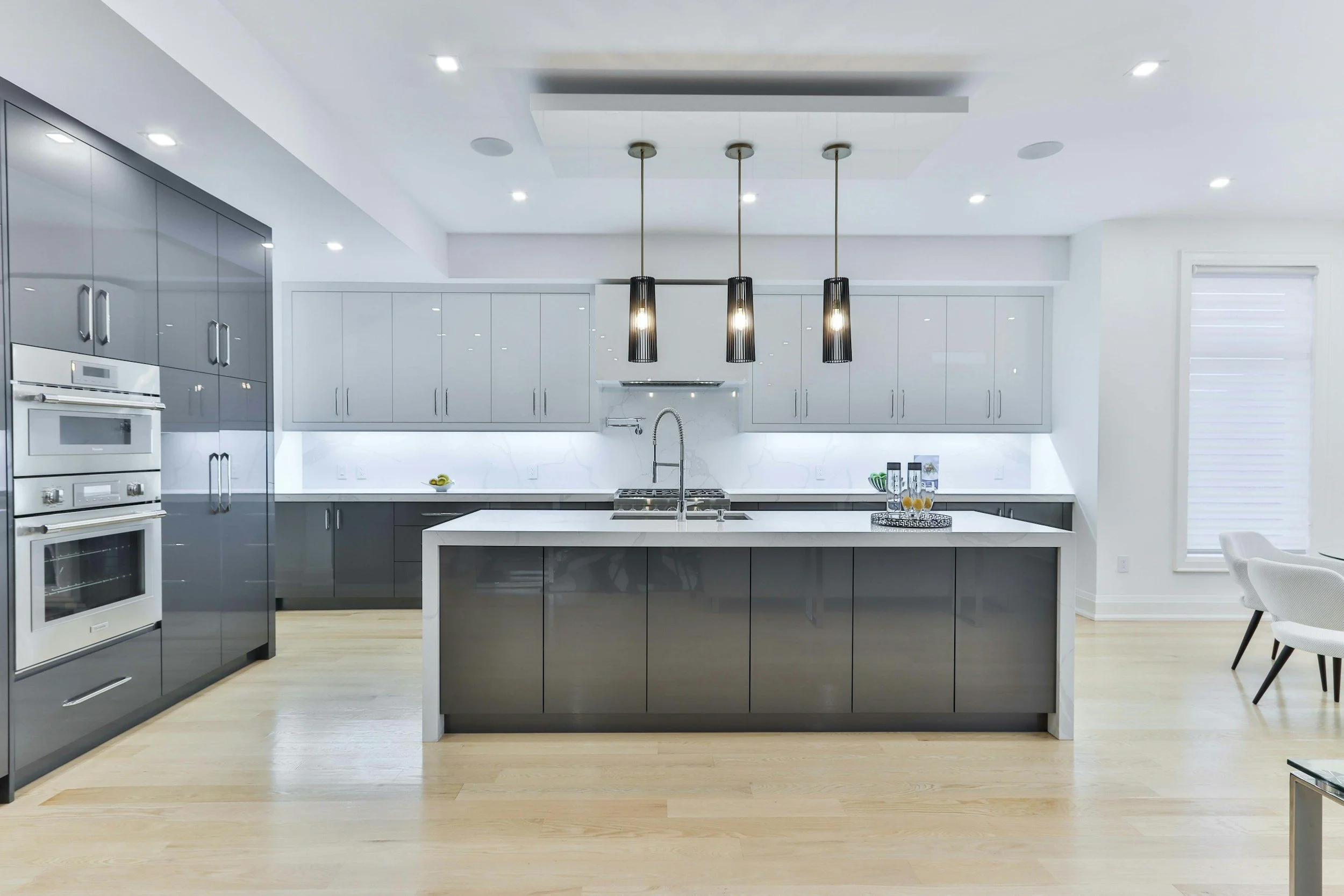
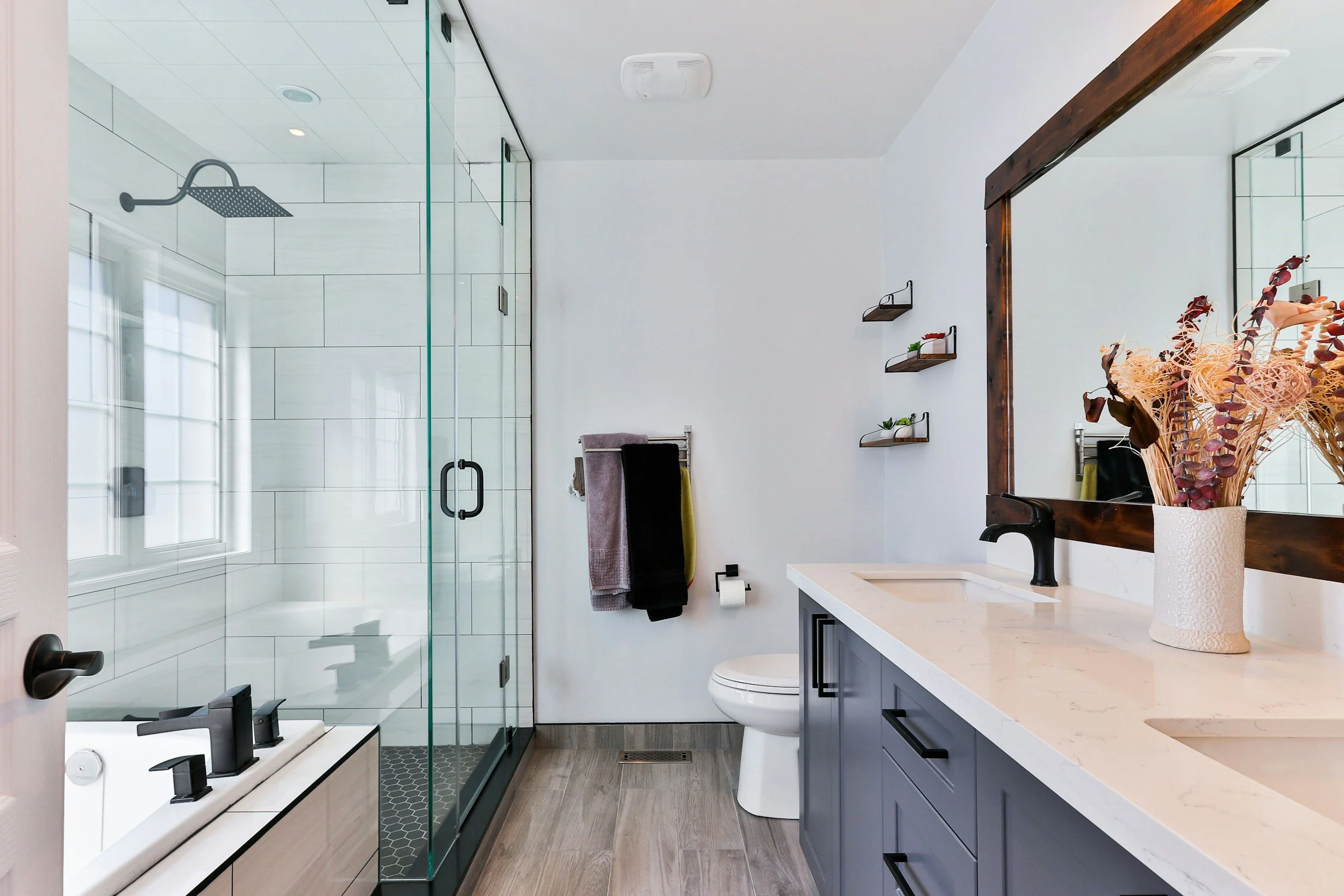
A beautifully renovated kitchen, an additional bathroom, a swimming pool, or an accessory dwelling unit (ADU) may enhance a property's functionality and appeal. But the cost of an improvement does not necessarily equal the value it contributes to the property.
In real estate appraisal, this distinction is known as contributory value—the amount an individual improvement contributes to the market value of the property as a whole.
A homeowner might invest substantially in a renovation only to discover that buyers in the surrounding market place limited additional value on that improvement. Conversely, a relatively modest change to a property's layout, functionality, or amenities may produce a more meaningful market response.
The challenge is determining which improvements are supported by local buyer preferences, competing properties, and actual market behavior.
Whether you're considering an accessory dwelling unit or deciding which materials and finishes are appropriate for your renovation, the right information can help you avoid costly mistakes.
Explore our specialized services to understand how these decisions may influence your property's market value.
Renovation Decisions Should Begin With Market Analysis, Not Assumptions
Should you add a swimming pool or expand your living area? Convert an existing garage or construct an ADU? Renovate your kitchen or add another bathroom?
The answer depends on more than construction costs or personal preferences.
Property characteristics, neighborhood expectations, buyer demand, competing inventory, and the functional utility of proposed improvements all influence their potential contribution to market value.
Even seemingly straightforward projects can present complications. For example, converting an attic, basement, or garage into living space does not automatically mean the converted area will qualify for inclusion in a property's reported gross living area. Applicable measurement standards, physical characteristics, legal requirements, and market recognition must be considered.
Does Your Converted Space Actually Count as Living Area?
Finished basements, attic conversions, enclosed patios, and additions don't automatically qualify as recognized living area. How a space is measured and classified can significantly influence its reported square footage and market value.
Before investing in a conversion—or assuming existing space contributes to your home's total living area—understand what qualifies and what doesn't.
The Cost of Over-Improving and Under-Improving
An improvement can be expensive, attractive, and professionally constructed without producing a corresponding increase in market value.
Conversely, an improvement that falls short of market expectations may contribute less value than its cost, particularly when prospective buyers anticipate replacing or substantially modifying it.
A budget-conscious renovation may appear financially prudent during construction, but if its materials, finishes, functionality, or overall quality are inconsistent with competing properties, the market may recognize little benefit from the investment.
The objective is not necessarily to spend more or spend less.
It's to understand the level of improvement the market supports before deciding what to build.




Know What Your Improvements May Be Worth Before You Build.
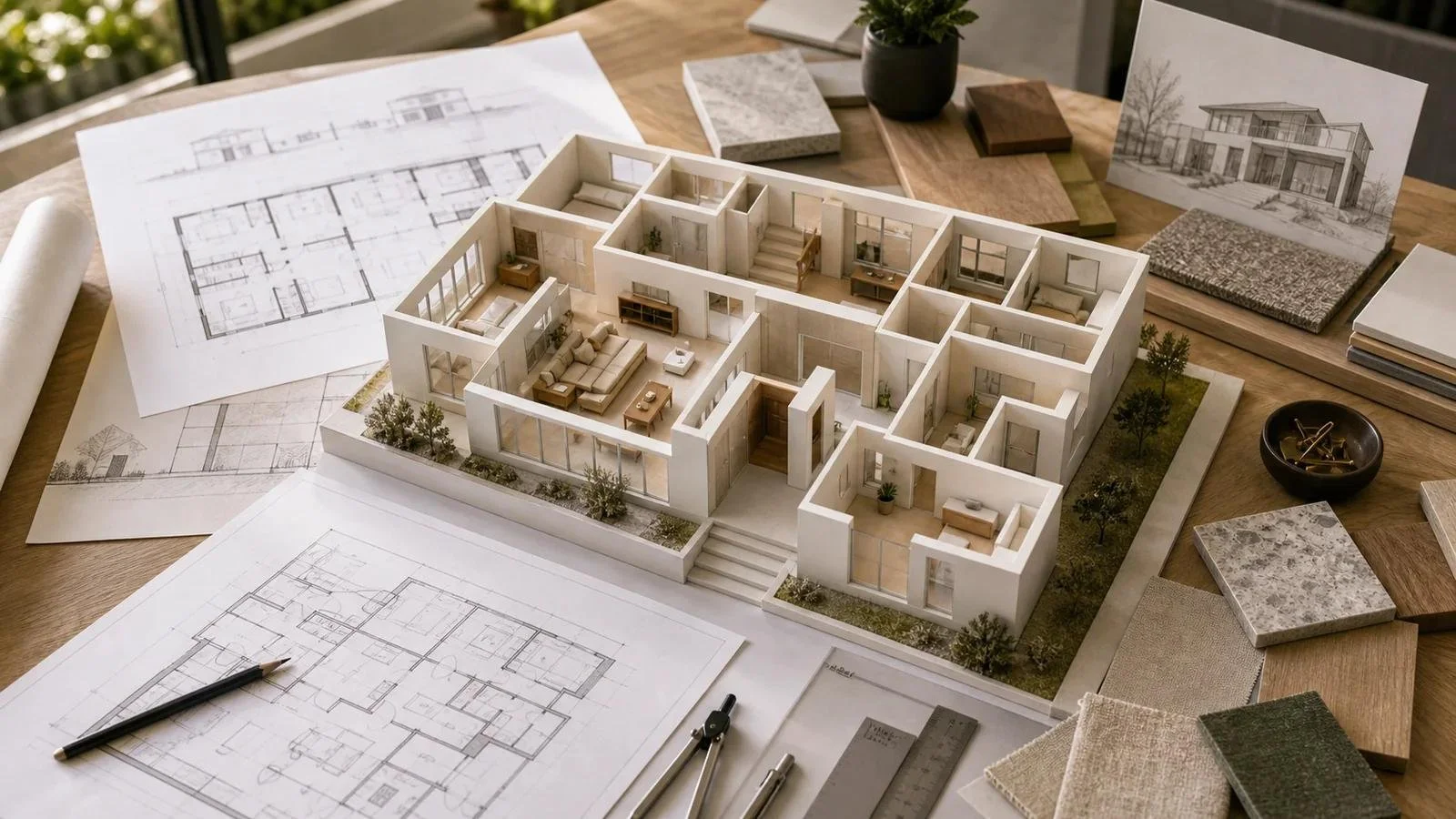
A Property Optimization Analysis from Gatsby Appraisal provides homeowners, real estate investors, and property owners with independent, market-supported guidance before committing to renovations, additions, or major property improvements.
Unlike a construction estimate, which identifies what a project may cost, our pre-renovation appraisal consulting examines how proposed improvements may influence a property's market value.
We analyze comparable property sales, competing inventory, neighborhood expectations, buyer preferences, and the contributory value of similar improvements to help determine which projects may produce meaningful financial benefits.
What Can Property Optimization Analysis Help You Decide?
Should you expand your existing residence or construct an accessory dwelling unit (ADU)? Would an additional bathroom contribute more value than a complete kitchen renovation? Does your market support the cost of installing a swimming pool? Would converting a garage, attic, or basement into living space provide a measurable increase in property value?
These are questions that require more than construction estimates or generalized renovation return-on-investment statistics.
Our home improvement valuation analysis examines the relationship between proposed improvements and actual market behavior, helping clients identify opportunities to increase property value while avoiding costly over-improvements or under-improvements.
Sometimes the analysis supports moving forward with an ambitious project. Other times, a more modest improvement may produce a comparable market response.
And occasionally, the most valuable recommendation is to reconsider the project entirely.
The objective isn't simply to improve your property. It's to understand which improvements the market is likely to recognize before you invest.