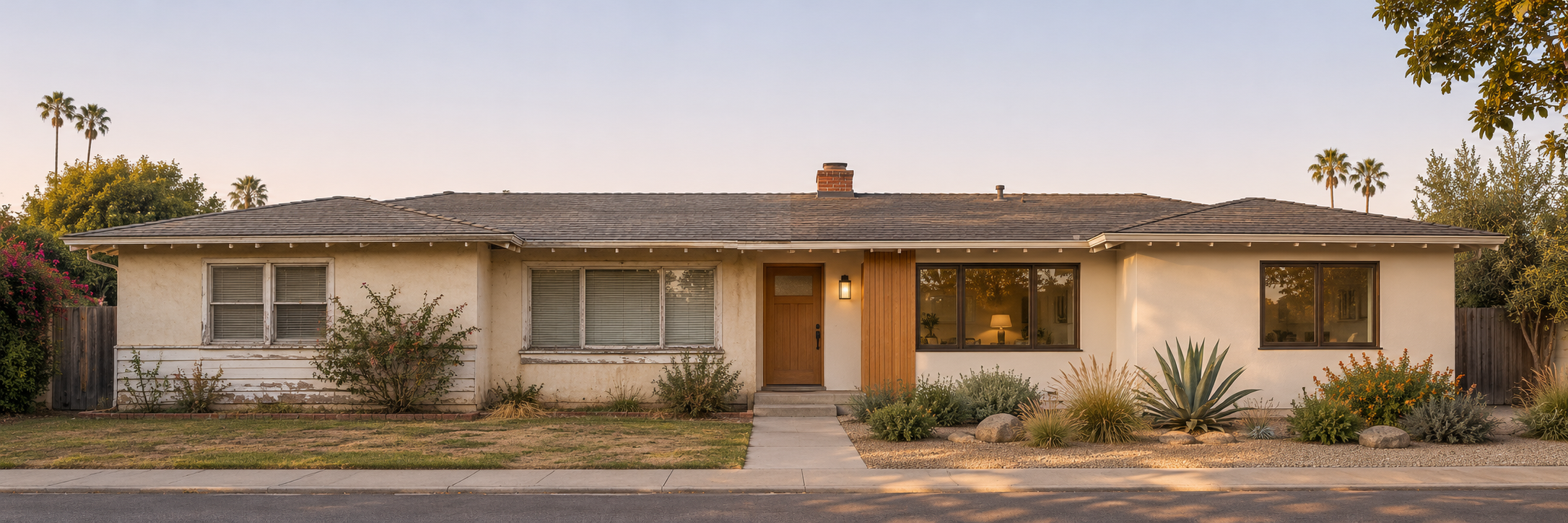
Distressed Property Appraisal Services
You Can't Renovate Your Way Out of Overpaying.
The success of a distressed-property acquisition often begins long before the first repair is made. Whether the purchaser is an investor seeking a return or a future homeowner planning to transform a neglected property, the price paid at acquisition can determine whether the opportunity makes financial sense.
An ambitious renovation cannot necessarily overcome an acquisition price that was too high from the beginning.
At Gatsby Appraisal, our purpose is to provide an independent, market-supported opinion of a property's as-is fair market value—a realistic starting point for evaluating the purchase. We consider the property's existing condition, anticipated rehabilitation requirements, marketability, buyer expectations, and relevant comparable sales to understand what the market supports.
We report the market. We don't make it.
Through research, analysis, and interpretation of market evidence, we work to establish a credible valuation that helps purchasers recognize the economic realities of a distressed property before committing substantial capital.
Because the objective isn't simply to recognize a property's potential.
It's to understand what that potential is worth today—before the investment begins.
Beyond the Repair Estimate: The Real Value of a Distressed Property.
A gutted interior. A partially demolished structure. Extensive deferred maintenance. Fire damage. Unpermitted construction. Environmental concerns.
Some properties present challenges that extend far beyond ordinary residential appraisal assignments.
At Gatsby Appraisal, distressed properties are not unfamiliar territory. They're a significant part of our valuation experience.
During the aftermath of the Great Recession, Gatsby Appraisal completed more than 1,000 REO and distressed-property valuation assignments for local lenders, developing extensive experience analyzing properties affected by foreclosure, deterioration, incomplete renovations, and significant physical deficiencies.
That experience continues to inform our work today.
Serving Los Angeles and Ventura Counties since 2003, we provide independent residential property valuations for homeowners, estates, attorneys, investors, and other clients who need to understand what a distressed property is actually worth.
Because when a property needs substantial work, its value cannot be determined simply by subtracting a renovation estimate from the price of a finished home.
The market is more complicated than that.
And so is the analysis.
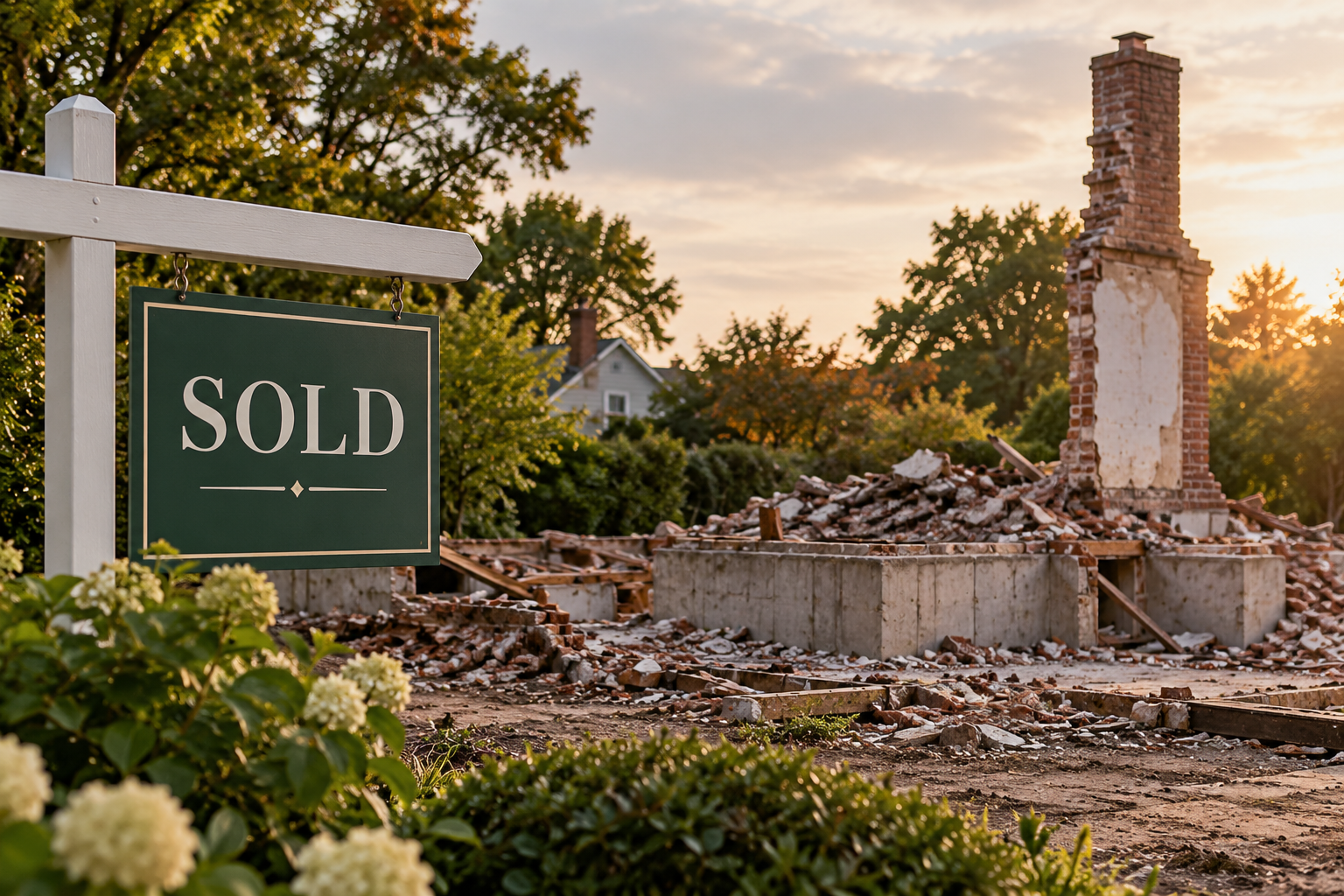
Buying or Selling a Distressed Property? Considering a Flip?
The purchase or sale of a distressed property involves considerations that extend beyond its current market value. Whether you're preparing to list a property requiring substantial repairs, evaluating a fixer-upper, or considering a renovation for resale, the right analysis can help you understand the opportunities, risks, and financial implications before making a decision.
Explore Gatsby Appraisal's specialized Pre-Listing Appraisal and Flip Analysis services to learn how our market research and valuation expertise can support your next real estate decision.
Services That Complement Distressed Property Valuation Conversation
As-Is And As-Repaired: What It Is. What It Could Be.
What is a distressed property worth today, and what could it be worth after renovation?
These are two fundamentally different valuation questions, and understanding the distinction can be critical when buying, selling, financing, or evaluating a distressed property.
As-Is Market Value reflects the property's value in its existing condition, considering its physical deficiencies, marketability, and the behavior of buyers willing to purchase it with those conditions.
As-Repaired Value, commonly referred to by real estate investors as After Repair Value (ARV), represents the property's anticipated market value following the completion of specified repairs or improvements. In an appraisal, this may be developed as a prospective value or a value subject to a hypothetical condition, depending on the assignment's effective date and scope.
But here's where the analysis becomes particularly important.
The difference between as-is value and after repair value is not necessarily the cost of renovation.
Construction expenses, financing, holding costs, market uncertainty, entrepreneurial incentive, and the time required to complete a project can all influence what purchasers are willing to pay for a distressed property.
At Gatsby Appraisal, we analyze the relevant market evidence to develop credible, independent opinions of value. Depending on the assignment, our analysis may consider both the property's existing condition and its anticipated condition following a defined renovation.
We don't assume the improvements will create value simply because money is spent completing them. We investigate what the market supports.
Because knowing what a property could be worth after renovation is important.
Knowing what it's worth before you buy it may be even more important.
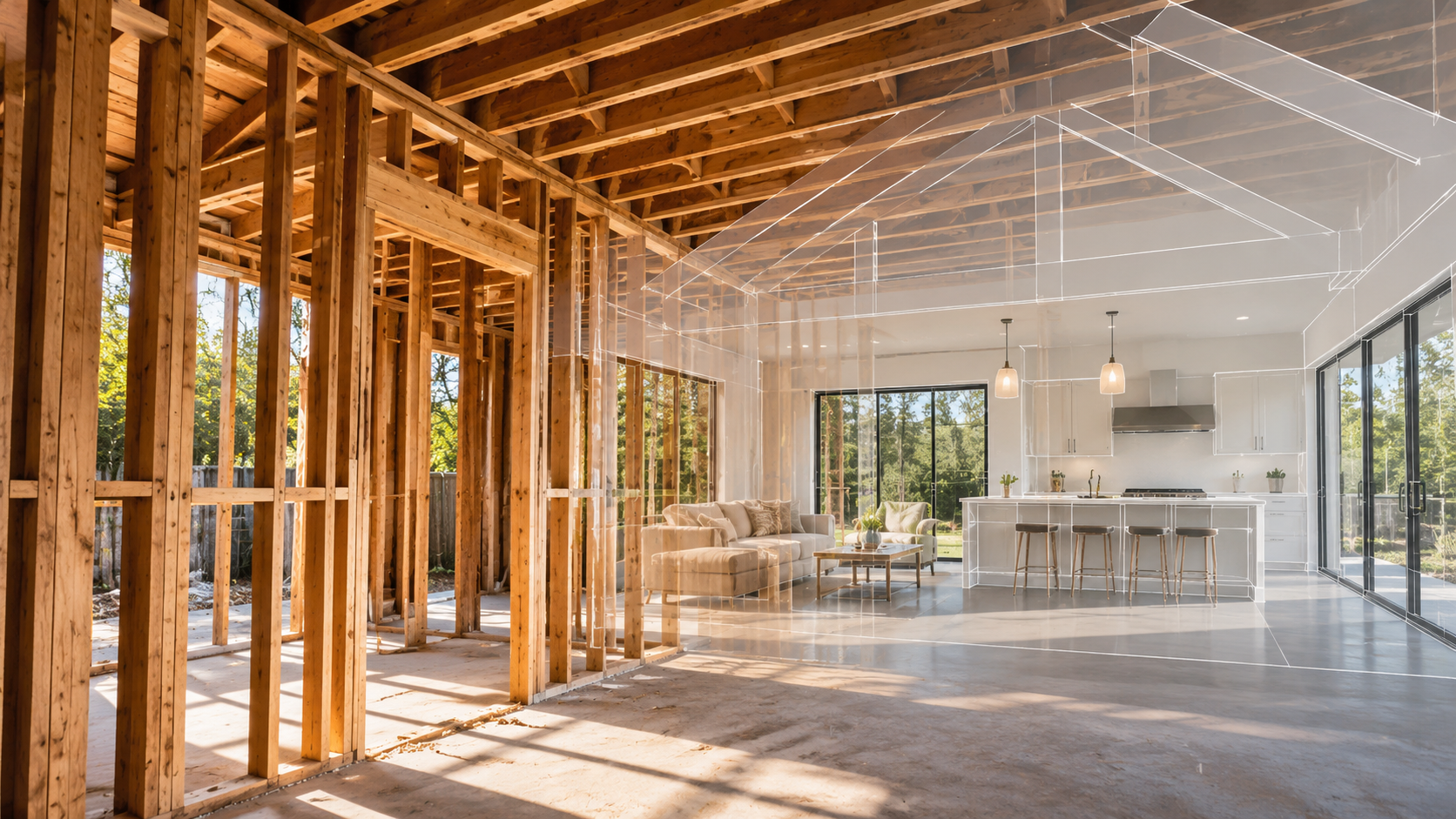
Consider two properties in the same neighborhood. One is completely renovated, ready for occupancy, and immediately marketable. The other has been gutted to its framing and requires extensive reconstruction before it can be occupied. The difference between their market values is not necessarily equal to the cost of repairs. Why? Because purchasing a distressed property means accepting responsibilities, financial commitments, and uncertainties that buyers of finished homes generally avoid. A purchaser must coordinate contractors, secure financing, obtain permits, oversee construction, manage unexpected expenses, and commit considerable time to a property that may not be habitable or generate income for months. And those responsibilities extend beyond the renovation budget.
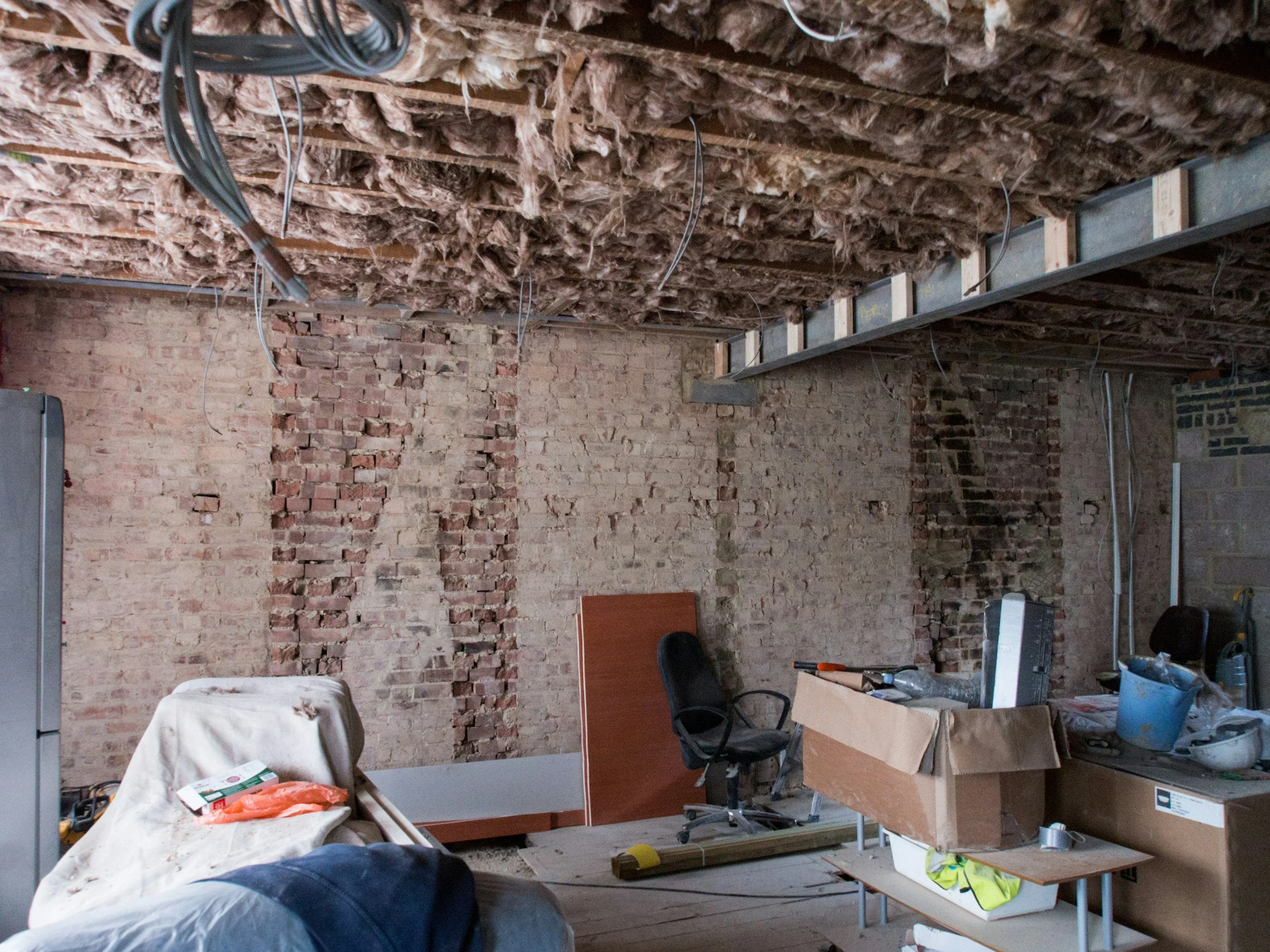
The Difference Between Repair Costs and Market Value
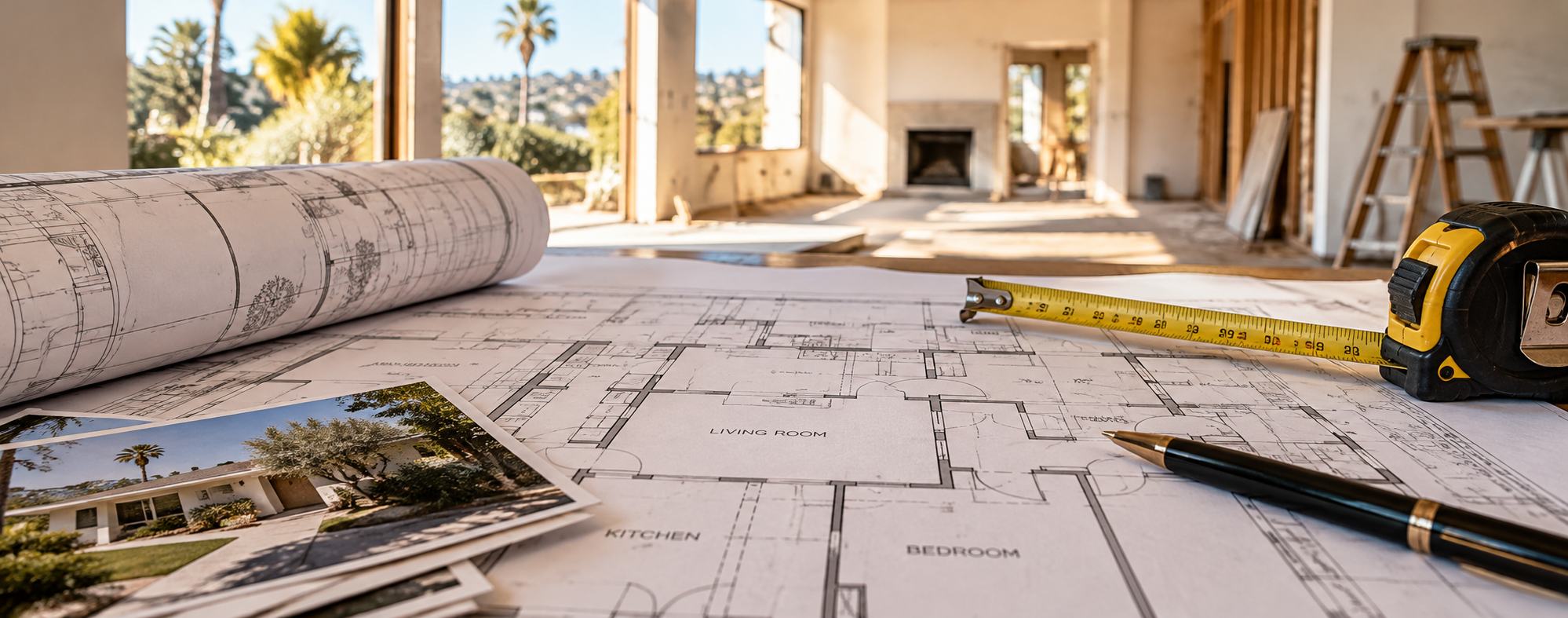
The Market Recognizes More Than the Construction Budget.
Two properties requiring identical renovation expenditures may command substantially different prices because one presents greater uncertainty, a longer anticipated construction period, or more complicated permitting requirements.
Likewise, two investors may have different expectations regarding the financial returns necessary to justify undertaking the same project.
The challenge in distressed-property appraisal is determining how these economic considerations are reflected in actual market transactions.
At Gatsby Appraisal, we analyze relevant comparable sales, property conditions, renovation requirements, and market participant behavior to understand the relationship between a property's existing condition and its market value.
We recognize that the compensation buyers anticipate for undertaking rehabilitation may already be reflected in the prices paid for comparable distressed properties.
Our objective is to identify and support the market's response—not simply apply an arbitrary profit percentage or deduct a contractor's estimate from the value of a renovated home.
Because the true economic cost of a distressed property extends well beyond the repairs themselves.
Time Has Value.
Capital Has a Cost.
Risk Demands Compensation.
Investors and other purchasers undertaking major renovations must consider several economic factors:
Return on Investment (ROI): The anticipated financial return relative to the capital invested in acquiring, renovating, and ultimately selling the property.
Internal Rate of Return (IRR): A measure of investment performance that considers both the amount and timing of cash flows. A project requiring six months may present a very different investment opportunity from one requiring eighteen months.
Holding and Carrying Costs: Property taxes, insurance, utilities, financing expenses, maintenance, and other obligations incurred while the property is being rehabilitated.
Opportunity Cost: The potential return sacrificed by committing money, time, and resources to one project instead of pursuing another investment.
Project Management and Personal Effort: The time and expertise required to coordinate construction, navigate permit requirements, supervise contractors, and resolve unexpected complications.
Risk and Uncertainty: Unforeseen structural deficiencies, construction delays, cost overruns, changing market conditions, and the possibility that the finished property will not sell for its anticipated price.
And Then There's the Incentive to Undertake the Project.
A purchaser accepting these burdens generally expects more than the recovery of renovation expenditures.
There must be a reason to undertake the project in the first place.
In real estate valuation, this anticipated economic reward is known as entrepreneurial incentive.
It reflects the compensation market participants expect for the time, effort, expertise, coordination, and risks associated with completing a development or renovation project.
The amount of incentive varies according to the property's condition, the complexity of the work, the anticipated completion period, and prevailing market conditions.
Some purchasers may contribute their own labor, creating what is commonly called “Sweat Equity”. Others may employ contractors and professional project managers, increasing their direct financial expenditures.
Either way, the purchaser is committing valuable resources to transform the property.

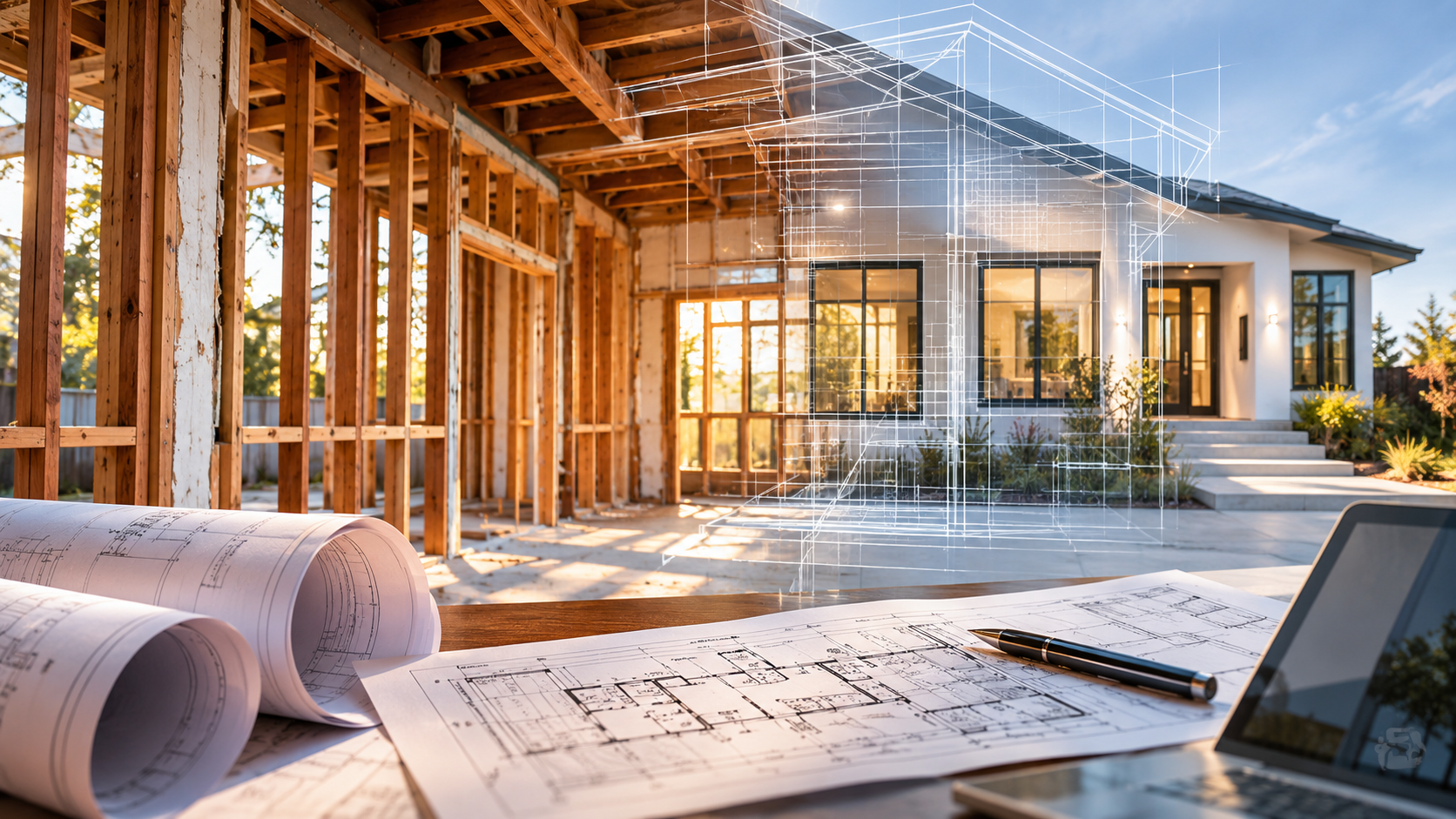
Gutted Houses and Unfinished Renovations
A house stripped to its framing presents an entirely different valuation problem from a home with outdated finishes.
Electrical and plumbing systems may be missing. Walls, insulation, fixtures, and mechanical equipment may require complete replacement.
The property may no longer qualify for conventional financing, reducing the number of potential purchasers and changing the competitive market.
Gatsby Appraisal analyzes the property's existing condition, the scope of necessary improvements, relevant comparable sales, and the market's response to properties requiring extensive rehabilitation.
Where appropriate to the assignment, we can also analyze the property's anticipated value following specified repairs or renovations.
A gutted house still has value. The question is how much the market will pay for it in its present condition.
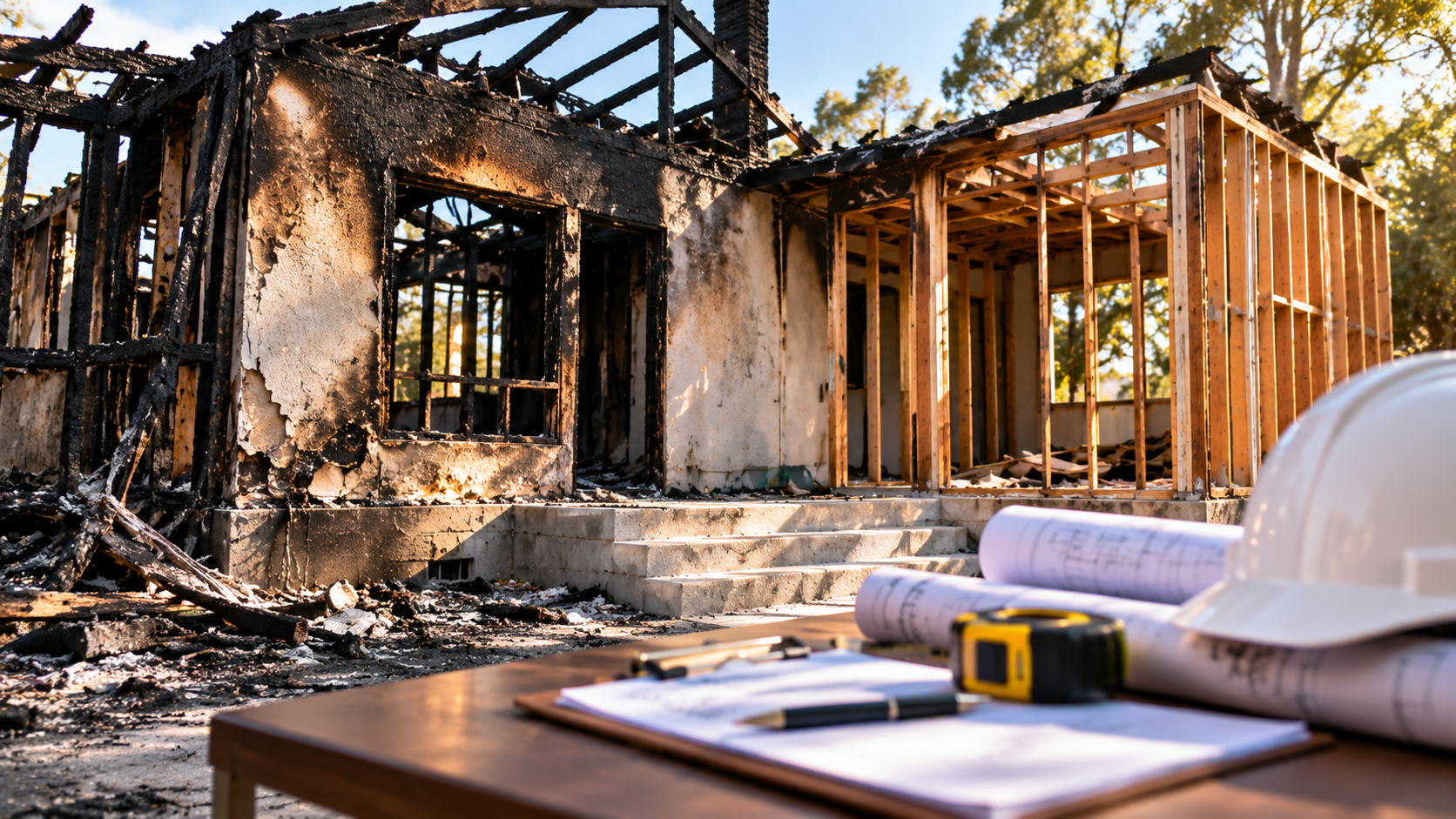
Fire-Damaged and Partially Demolished Properties
When a structure has sustained significant fire damage or partial demolition, the valuation may become as much a question of land utility as building condition.
Can the existing improvements be repaired?
Are portions of the foundation, framing, or other building components economically reusable?
Would reconstruction be more practical than rehabilitation?
How might current zoning, permits, building regulations, and development restrictions affect the property's future use?
A fire-damaged property cannot automatically be valued as vacant land, nor should the remaining improvements automatically be assigned significant contributory value.
We examine the available evidence to understand how the property's physical condition, land characteristics, and potential future use influence its marketability and value.
Environmental Concerns and Properties With Unusual Histories
Some properties present issues that are not immediately visible during a conventional inspection.
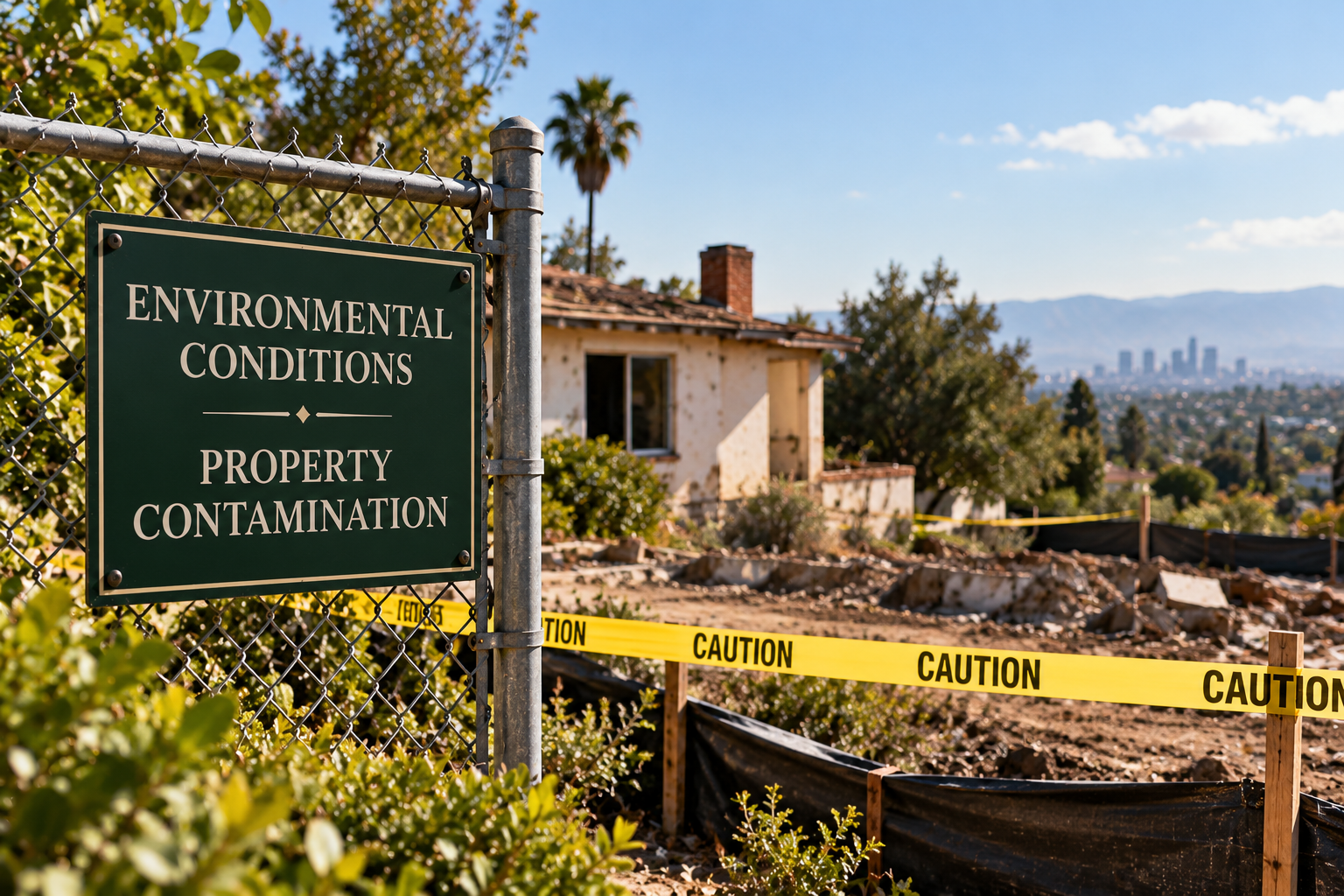
Consider a residence formerly used as an unauthorized indoor cannabis cultivation operation, commonly called a grow house.
Although the building may appear suitable for renovation, its history can raise additional questions involving moisture intrusion, mold, altered electrical systems, structural modifications, chemical residues, and necessary remediation.
These issues may substantially change the renovation process and the risks a purchaser must evaluate.
Similarly, properties affected by contamination, hazardous materials, or other adverse environmental conditions may require specialized inspections, regulatory research, and professional remediation assessments.
Gatsby Appraisal investigates available property records, reported conditions, and relevant market evidence to determine how these circumstances may influence value.
When necessary, we consider the findings of qualified environmental, engineering, or construction professionals.
We do not perform environmental testing or certify that a property is safe. We analyze how documented conditions and associated market risks may affect its real estate value.
Sometimes the Most Important Question Is What Comes Next.
A distressed property's highest and best use is not always the continuation of its existing improvements.
In some cases, substantial rehabilitation may be economically justified.
In others, redevelopment, partial reconstruction, or demolition may represent a more financially feasible alternative, subject to applicable legal and physical constraints.
Understanding those possibilities requires more than evaluating a contractor's estimate.
It requires understanding the property, the market, and the limitations that may affect its future.
The Property Is Distressed. The Analysis Shouldn't Be.
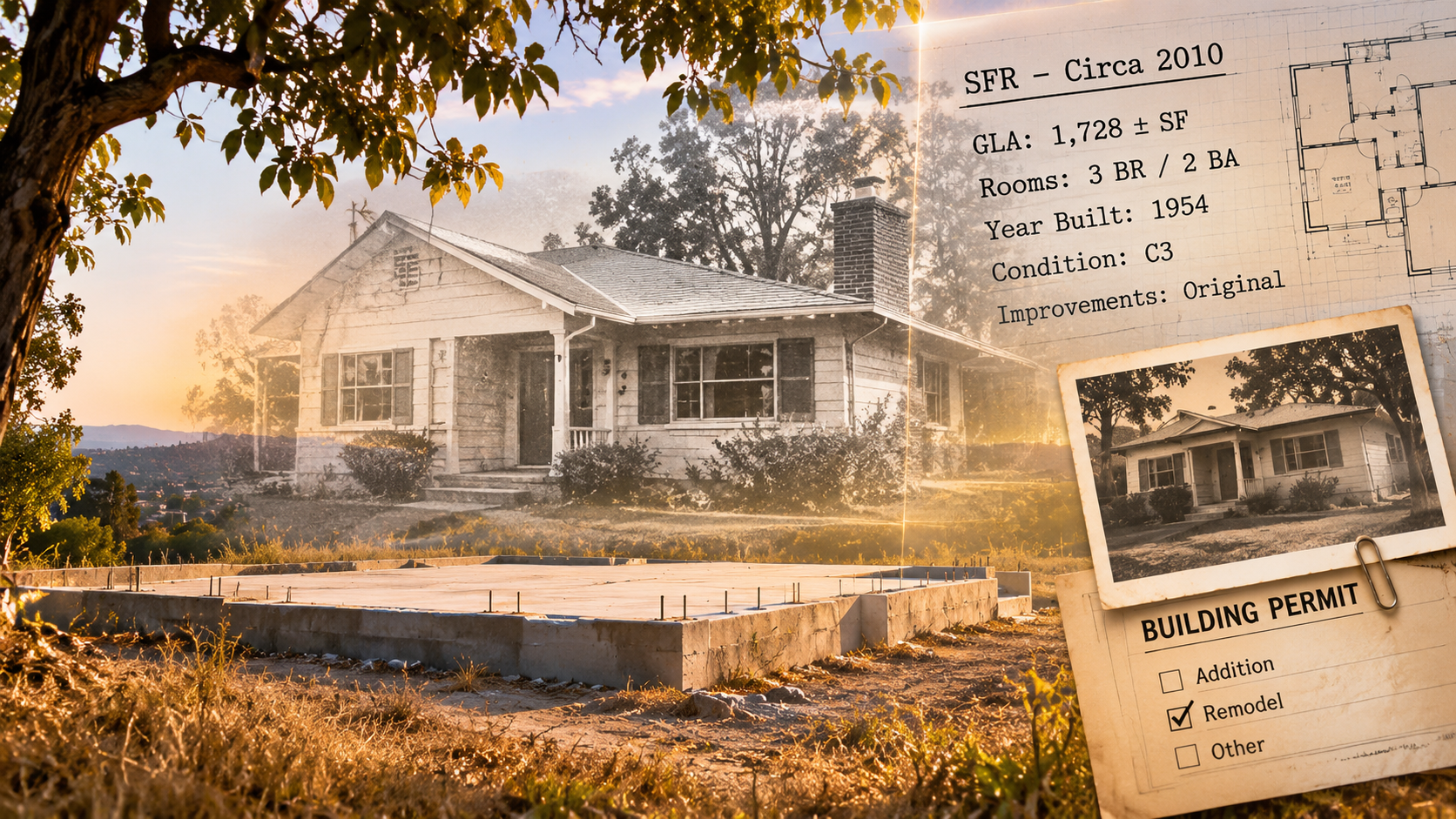
From Gutted Interiors to Fire-Damaged Structures: We Look Beyond the Obvious.
Not every distressed property presents the same valuation problem.
Some require extensive cosmetic renovation. Others have lost essential building systems, suffered structural damage, or experienced conditions that raise questions about whether the existing improvements should be rehabilitated at all.
Determining what remains economically useful is just as important as identifying what needs to be repaired.
Whatever the Condition. Whatever the Reason. We Find the Value.
A distressed property does not always belong to an investor.
It may be part of an estate, a divorce proceeding, a bankruptcy, a property tax dispute, or another situation requiring an independent opinion of fair market value.
And the property's condition may present significant challenges to determining that value.
Estate and Date-of-Death Appraisals
An inherited property may have extensive deferred maintenance, unfinished renovations, fire damage, or building systems that have deteriorated over many years.
An estate may need to establish the property's fair market value as of the date of death, even when the home requires substantial rehabilitation.
In retrospective assignments, the appraisal must consider the property's condition and relevant market circumstances as of the applicable effective date.
Divorce, Litigation, and Other Legal Matters
When a property is involved in a legal dispute, its physical condition can become an important element of the valuation.
An accurate assessment may require analysis of the property's existing condition, the market's response to necessary repairs, and the distinction between current value and potential value following rehabilitation.
Our detailed appraisal reports explain the valuation evidence, relevant property characteristics, and reasoning supporting the final opinion.
Property Tax and Other Valuation Needs
Substantial physical damage may affect a property's market value and, in certain circumstances, support consideration of property tax relief or reassessment under applicable rules.
A well-supported appraisal can help establish the market value associated with the property's condition and the relevant valuation date.
Independent Analysis. Documented Conclusions.
Gatsby Appraisal provides residential valuation services for properties throughout Los Angeles and Ventura Counties.
With more than two decades of appraisal experience and extensive work involving distressed and REO properties, we understand that the most challenging valuations often require the greatest attention to detail.
We identify the property's relevant physical and economic characteristics, research the market, evaluate appropriate comparable sales, and explain the factors contributing to value.
Because an accurate appraisal should provide more than a number.
It should provide the evidence and reasoning necessary to understand that number—and use it to make an informed decision.